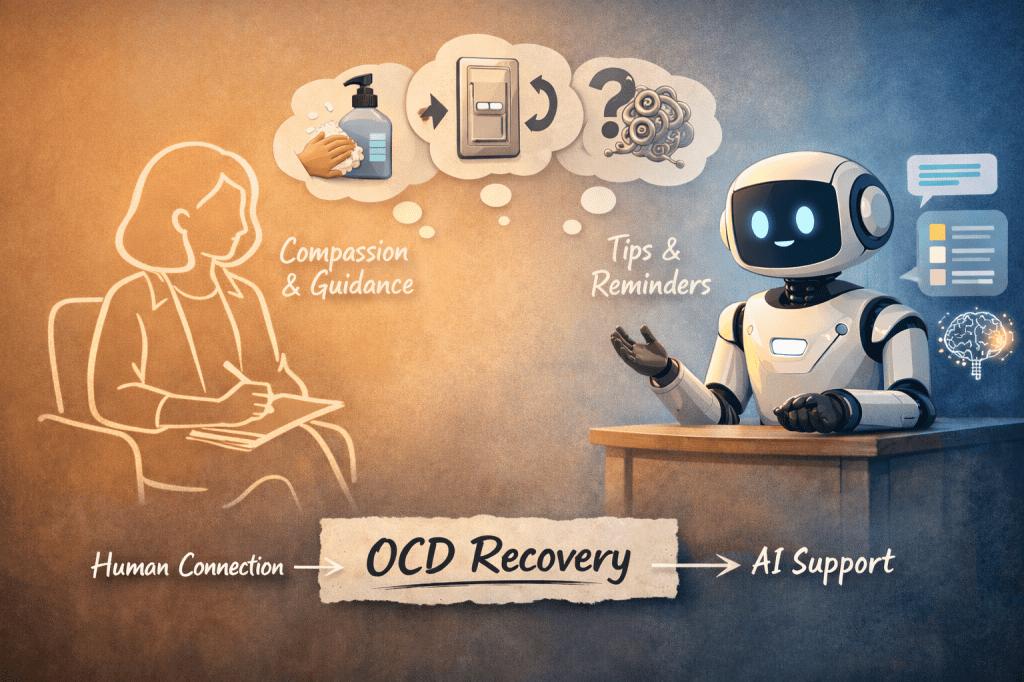
How to Handle Relapses in OCD Treatment

Recovering from Obsessive-Compulsive Disorder (OCD) can be a challenging and often long journey, but it is absolutely possible with the right treatment and support. One of the realities of OCD treatment, particularly Cognitive Behavioral Therapy (CBT), is that relapses—moments when symptoms resurface—can occur. Understanding how to handle these relapses is crucial in maintaining progress and continuing the path to recovery.

Relapses do not mean failure; they are a part of the process, and it’s important to approach them with compassion and practical strategies. Let’s explore some ways to handle relapses in OCD treatment, stay resilient, and continue moving forward.

1. Acknowledge the Relapse Without Judgment

When OCD symptoms return, it’s easy to feel defeated or discouraged. You may wonder if the work you’ve put in so far has been in vain, or if recovery is even possible. However, it’s essential to remember that OCD is a chronic condition, and experiencing setbacks does not mean you are back to square one. Relapses are common in many mental health conditions, including OCD, and they don’t define your overall progress.

Try not to be harsh on yourself. Instead, acknowledge the relapse with kindness and understanding. Remember that treatment isn’t linear, and moments of struggle are part of the path to long-term recovery. Recognizing that relapses are normal allows you to address them more effectively without letting them derail your treatment.

2. Return to CBT Strategies

When OCD symptoms resurface, it’s helpful to revisit the CBT strategies that have worked for you in the past. Cognitive Behavioral Therapy is built on the premise that by changing your thought patterns and behaviors, you can reduce anxiety and compulsive actions. Here are some key strategies to use:

  • Exposure and Response Prevention (ERP): If you’ve been practicing ERP (gradually confronting feared situations without engaging in compulsions), return to this practice. Even if the fears seem stronger or more overwhelming, keep exposing yourself to them without performing your usual compulsive behaviors. Over time, this will help desensitize your anxiety and reduce compulsions.
  • Cognitive Restructuring: Review your cognitive distortions. Are you catastrophizing or overestimating the likelihood of bad things happening? Reframe those distorted thoughts and remind yourself that these are irrational, not facts. Practice identifying and challenging these thoughts to weaken their power over you.
  • Tolerating Uncertainty: OCD thrives on the need for certainty. When you experience a relapse, you may find yourself seeking reassurance or trying to eliminate uncertainty. Challenge yourself to sit with discomfort and uncertainty. The more you practice tolerating uncertainty, the less control OCD will have over your thoughts and behaviors.

3. Identify the Triggers and Patterns

Relapses often have triggers. Take time to reflect on the circumstances surrounding your relapse. What specific situations or stressors have brought your symptoms back to the surface? Are there any patterns you can identify?

For example, you may notice that certain life events—like a stressful period at work or a relationship challenge—make your OCD symptoms worse. Or, you might find that you’ve been neglecting the strategies that helped you in the past.

Identifying these triggers is vital in learning how to prevent or manage future relapses. Once you know what triggers your symptoms, you can develop a plan to cope more effectively when similar situations arise in the future.

4. Seek Support

It’s easy to feel isolated when OCD symptoms come back, but you don’t have to go through this alone. Reach out to your therapist, a support group, or trusted friends and family members who understand your struggle.

Talking to a therapist who specializes in OCD can help you realign your treatment plan and ensure that you’re using the right tools to manage your symptoms. Sometimes, a small adjustment in your approach or the introduction of new strategies can make a big difference.

5. Practice Self-Compassion

One of the most important things to remember during a relapse is to be compassionate with yourself. OCD can be relentless, and it’s normal to feel frustrated or disheartened when symptoms resurface. But beating yourself up over a relapse will only make things harder.

Treat yourself with the same kindness and understanding you would offer a friend in a similar situation. Recognize the courage it takes to continue fighting OCD, even when things feel tough. Every step forward—no matter how small—is progress.

Self-compassion means acknowledging the difficulty of the situation without self-criticism. It’s about understanding that setbacks are part of recovery and that they don’t define your worth or your ability to overcome this disorder.

6. Maintain Consistency in Your Treatment Plan

When symptoms return, it can be tempting to take a break from treatment or give up. However, maintaining consistency is key to overcoming relapses. Stick to the practices you’ve learned in CBT and continue applying them even when the going gets tough.

Consistency is one of the most important factors in long-term success. The more you practice your CBT techniques, the more ingrained they will become in your daily life. Even if you’re struggling, staying consistent with your treatment plan will increase your chances of making a full recovery.

7. Celebrate Small Wins

During a relapse, it may feel like everything is unraveling, but it’s crucial to celebrate small victories. Every time you resist a compulsion or challenge an intrusive thought, you’re making progress. Recognize and appreciate these moments, no matter how small they seem.

Taking time to reflect on and celebrate your successes, even the smallest ones, will help maintain your motivation and remind you that you are still moving forward, despite the setbacks.

8. Be Patient with the Process

Remember, overcoming OCD takes time, and relapses don’t mean you’ve failed. OCD recovery is often a non-linear process, with ups and downs along the way. The key is to stay committed to your treatment, be patient with yourself, and trust that the skills you’re developing through CBT will lead to lasting change.

If you experience a relapse, don’t lose sight of the progress you’ve made. It’s a process of learning to manage your symptoms, and relapses are a part of that journey. Each time you face a setback, you’re strengthening your ability to handle OCD in the future.

Final Thoughts

Relapses in OCD treatment are not a sign of failure; they are simply part of the recovery process. By acknowledging the relapse, returning to your CBT techniques, and seeking support when needed, you can continue making progress and build resilience in the face of OCD.

With patience, consistency, and self-compassion, you’ll find that each relapse becomes an opportunity to deepen your understanding of the disorder and strengthen your ability to manage it in the future. Stay committed to your treatment, and remember that recovery is always possible—one step at a time.

The Challenges of Treating OCD in 2025 and the New Directions Ahead

Understanding the Future of OCD Treatment: What’s Ahead in 2025

Obsessive-Compulsive Disorder (OCD) can make everyday life difficult. It’s characterized by troubling, repetitive thoughts (obsessions) and the need to perform certain actions (compulsions) to reduce anxiety. For many people, treating OCD can feel like a long, frustrating journey, but exciting new developments are changing the landscape of OCD treatment. As we look ahead to 2025, here’s what to expect and how new treatments could help you find the relief you’re looking for.

1. More Personalized Treatment Plans

OCD can look very different from one person to another. Some people may struggle with contamination fears, while others might experience unwanted violent thoughts. Right now, OCD is typically treated with a combination of therapy (like CBT) and medications (like SSRIs). But what works for one person might not work for another, and finding the right treatment can take time.

The Challenge: Every person’s OCD is unique, so it can be hard to find the right treatment quickly.

What’s Changing: In the future, treatments may become more personalized. With advances in technology, doctors will be able to better understand the specific factors contributing to your OCD, like your brain activity or even your genetics. This means treatments could be tailored to you, potentially working faster and more effectively.

2. Digital Tools for OCD Management

Many people with OCD struggle to get the help they need because of distance, time, or cost. Thankfully, digital tools are changing how we access treatment. Online therapy, apps, and even virtual reality (VR) are becoming more popular in mental health care.

The Challenge: Digital tools are still growing and may not always be as effective as in-person treatments.

What’s Changing: By 2025, we could see even better digital options to help manage OCD. There are already apps that help you work through your compulsions and anxiety, and virtual reality (VR) could allow you to face your fears in a safe, controlled environment. These tools can make therapy more accessible and affordable, so you don’t have to wait to get the help you need.

3. New Types of Treatment

In addition to traditional therapy and medication, new treatments are being explored for OCD. Things like transcranial magnetic stimulation (TMS) and deep brain stimulation (DBS) are becoming more widely studied and are showing promise for people with severe OCD. These treatments involve using electrical signals to “retrain” the brain, helping to reduce OCD symptoms.

The Challenge: These treatments are still experimental and can be expensive or difficult to access.

What’s Changing: In the near future, these non-traditional treatments may become more widely available. As research continues, we may see them become a real option for people whose OCD hasn’t responded to other therapies.

4. Reducing Stigma Around OCD

Unfortunately, many people still don’t fully understand OCD. It’s often misunderstood as simply being about being “neat” or “clean,” but in reality, it’s a serious mental health disorder. The stigma surrounding OCD can make people hesitant to seek help.

The Challenge: Stigma can keep people from getting the treatment they need.

What’s Changing: As awareness grows and mental health conversations become more open, it’s likely that the stigma around OCD will continue to decrease. This will encourage more people to seek treatment and get the support they need without feeling embarrassed or ashamed.

5. Making Treatment More Accessible

Finding effective OCD treatment isn’t always easy. Therapy and medication can be expensive, and not everyone has access to specialized care. For some, traveling long distances to see a therapist can be a barrier.

The Challenge: Access to care can be limited, especially for those who live in remote areas or have financial constraints.

What’s Changing: With the rise of teletherapy and online support, more people will be able to access help from the comfort of their own homes. This makes treatment more affordable and accessible to a wider group of people.

Conclusion: Hope for the Future

While treating OCD can still be challenging, the future of OCD treatment is looking brighter. With new, personalized treatment options, digital tools, innovative therapies, and increased awareness, it’s becoming easier to get the help you need. If you’re struggling with OCD, there’s hope that these new developments will offer better solutions and help you live a life with less anxiety and more freedom.

If you’re ready to take the next step in your treatment journey, consider reaching out to a professional trained in Cognitive Behavioral Therapy (CBT). CBT is one of the most effective treatments for OCD, and you don’t have to face it alone. Let’s work together to find a solution that works for you.