Distinguishing Relationship OCD from Normal Relationship Worries

When it comes to relationships, it’s completely normal to have worries and doubts from time to time. After all, we’re all human, and it’s natural to question things when it comes to love and partnership. But for some people, relationship concerns can spiral out of control, leading to overwhelming thoughts and emotions that make it difficult to enjoy their relationship. This is where Relationship OCD (ROCD) comes in.

As a Cognitive Behavioural Therapy (CBT) therapist, I often help people navigate the fine line between what are normal relationship anxieties and what might actually be symptoms of ROCD. If you’re struggling with relationship-related worries, it can be helpful to understand how to distinguish between the two. In this blog post, I’ll break down the key differences between everyday relationship concerns and the more intense, persistent nature of ROCD.

What is Relationship OCD?

Relationship OCD (ROCD) is a form of obsessive-compulsive disorder where individuals experience intrusive thoughts, doubts, or fears specifically related to their romantic relationship. These thoughts are often irrational, exaggerated, and disproportionate to the actual situation. ROCD can cause significant distress and lead to compulsive behaviors, such as constant reassurance-seeking, excessive analyzing, or mental rituals to “fix” perceived problems in the relationship.

Normal Relationship Worries: A Healthy Part of Love

Every relationship has its ups and downs, and it’s completely normal to occasionally question things like compatibility, long-term goals, or even your feelings toward your partner. Here are some examples of normal relationship worries:

  1. Concerns about the future: Wondering whether you and your partner want the same things long-term (e.g., marriage, children, career paths).
  2. Occasional doubts: Feeling unsure after an argument or when faced with difficult situations—this doesn’t mean you’re questioning the entire relationship.
  3. Wanting to improve communication: It’s natural to want your relationship to grow and flourish, and sometimes that includes thinking about how you can be a better partner.
  4. Feeling insecure: It’s normal to feel a bit insecure sometimes, especially in the early stages of a relationship.

These worries, while sometimes uncomfortable, usually don’t disrupt your daily life. They come and go, and they don’t cause significant distress.

How to Recognize Relationship OCD

While normal relationship concerns are occasional and temporary, ROCD is more persistent and intrusive. Here are some key features that differentiate ROCD from typical relationship worries:

1. Intrusive, Repetitive Thoughts

People with ROCD experience obsessive thoughts that are irrational and hard to control. These might include questions like:

  • “Do I really love my partner?”
  • “Am I settling for someone I’m not really attracted to?”
  • “What if I’m not with the right person?”

These thoughts can feel like a constant loop in your mind, and no matter how much reassurance you get from your partner or others, the thoughts don’t go away.

2. Compulsive Behaviors

In response to the intrusive thoughts, people with ROCD often engage in compulsive behaviors to alleviate anxiety. These might include:

  • Constantly asking your partner for reassurance (“Do you still love me?”)
  • Analyzing every detail of your relationship, including your partner’s behavior, appearance, or even the smallest interactions.
  • Checking for “signs” that might indicate you’re not compatible, such as questioning shared values or experiences that seem slightly off.
  • Avoiding situations or discussions that could trigger anxiety about the relationship.

These compulsions may provide temporary relief, but they often end up making the anxiety worse in the long run.

3. Emotional Distress

Unlike normal worries, ROCD causes significant emotional distress. You might feel trapped in a cycle of doubt and anxiety, making it difficult to focus on anything else. This can affect your ability to enjoy your relationship or other aspects of your life.

4. Constant Comparison

In ROCD, there’s often an urge to compare your partner to others or even to idealized versions of what you think a relationship should be. This can lead to constant dissatisfaction, regardless of how good your relationship actually is. You might wonder if your partner is “perfect” enough or if someone else might be a better match.

5. Difficulty Trusting Your Feelings

In a healthy relationship, it’s normal to experience fluctuations in emotions or to have periods of doubt. However, in ROCD, there’s often an overwhelming sense that you can’t trust your own feelings. You might question whether you’re really in love or constantly wonder if something is “missing” from the relationship.

When Should You Seek Help?

If you find that your worries are taking over your thoughts or causing significant distress in your relationship, it might be time to seek professional help. Therapy, especially Cognitive Behavioral Therapy (CBT), can be incredibly effective for treating ROCD. CBT helps individuals identify and challenge irrational thoughts, manage compulsive behaviors, and develop healthier coping strategies for dealing with anxiety.

Conclusion

While it’s natural to have occasional doubts and concerns in a relationship, it’s important to recognize when these worries become excessive, intrusive, and disruptive. If you find yourself caught in a cycle of obsessive thoughts and compulsive behaviors that make it difficult to enjoy your relationship, it could be a sign of Relationship OCD. Understanding the differences between normal relationship worries and ROCD is the first step toward seeking help and finding a path to peace and emotional well-being.

If you’re experiencing ROCD, you’re not alone. Help is available, and therapy can provide the support you need to regain control over your thoughts and enjoy a fulfilling, healthy relationship.

The Challenges of Treating OCD in 2025 and the New Directions Ahead

Understanding the Future of OCD Treatment: What’s Ahead in 2025

Obsessive-Compulsive Disorder (OCD) can make everyday life difficult. It’s characterized by troubling, repetitive thoughts (obsessions) and the need to perform certain actions (compulsions) to reduce anxiety. For many people, treating OCD can feel like a long, frustrating journey, but exciting new developments are changing the landscape of OCD treatment. As we look ahead to 2025, here’s what to expect and how new treatments could help you find the relief you’re looking for.

1. More Personalized Treatment Plans

OCD can look very different from one person to another. Some people may struggle with contamination fears, while others might experience unwanted violent thoughts. Right now, OCD is typically treated with a combination of therapy (like CBT) and medications (like SSRIs). But what works for one person might not work for another, and finding the right treatment can take time.

The Challenge: Every person’s OCD is unique, so it can be hard to find the right treatment quickly.

What’s Changing: In the future, treatments may become more personalized. With advances in technology, doctors will be able to better understand the specific factors contributing to your OCD, like your brain activity or even your genetics. This means treatments could be tailored to you, potentially working faster and more effectively.

2. Digital Tools for OCD Management

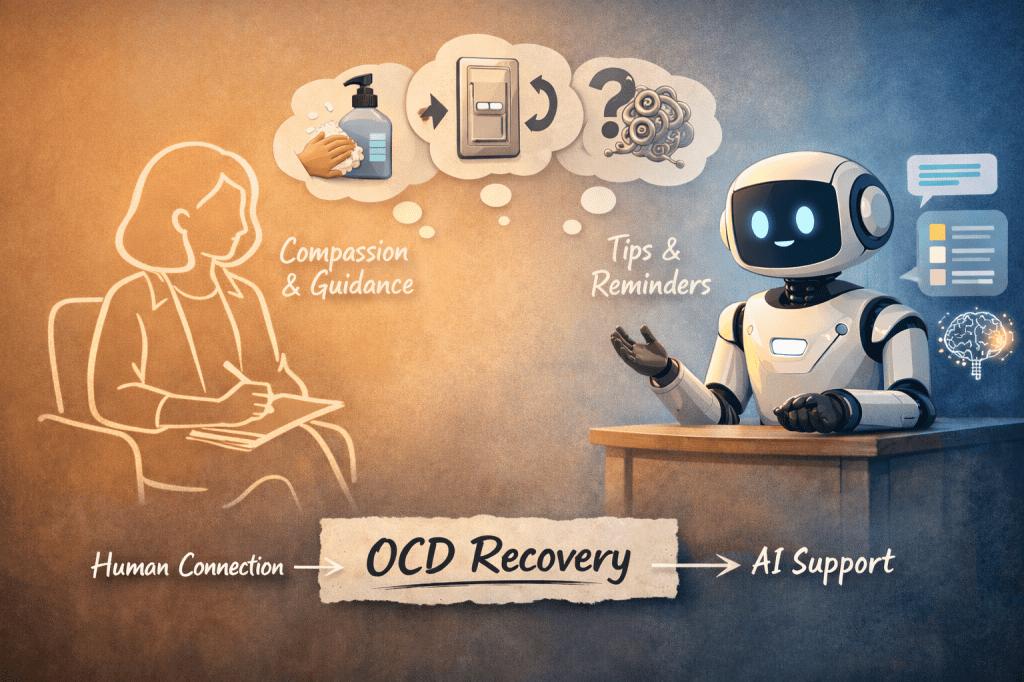
Many people with OCD struggle to get the help they need because of distance, time, or cost. Thankfully, digital tools are changing how we access treatment. Online therapy, apps, and even virtual reality (VR) are becoming more popular in mental health care.

The Challenge: Digital tools are still growing and may not always be as effective as in-person treatments.

What’s Changing: By 2025, we could see even better digital options to help manage OCD. There are already apps that help you work through your compulsions and anxiety, and virtual reality (VR) could allow you to face your fears in a safe, controlled environment. These tools can make therapy more accessible and affordable, so you don’t have to wait to get the help you need.

3. New Types of Treatment

In addition to traditional therapy and medication, new treatments are being explored for OCD. Things like transcranial magnetic stimulation (TMS) and deep brain stimulation (DBS) are becoming more widely studied and are showing promise for people with severe OCD. These treatments involve using electrical signals to “retrain” the brain, helping to reduce OCD symptoms.

The Challenge: These treatments are still experimental and can be expensive or difficult to access.

What’s Changing: In the near future, these non-traditional treatments may become more widely available. As research continues, we may see them become a real option for people whose OCD hasn’t responded to other therapies.

4. Reducing Stigma Around OCD

Unfortunately, many people still don’t fully understand OCD. It’s often misunderstood as simply being about being “neat” or “clean,” but in reality, it’s a serious mental health disorder. The stigma surrounding OCD can make people hesitant to seek help.

The Challenge: Stigma can keep people from getting the treatment they need.

What’s Changing: As awareness grows and mental health conversations become more open, it’s likely that the stigma around OCD will continue to decrease. This will encourage more people to seek treatment and get the support they need without feeling embarrassed or ashamed.

5. Making Treatment More Accessible

Finding effective OCD treatment isn’t always easy. Therapy and medication can be expensive, and not everyone has access to specialized care. For some, traveling long distances to see a therapist can be a barrier.

The Challenge: Access to care can be limited, especially for those who live in remote areas or have financial constraints.

What’s Changing: With the rise of teletherapy and online support, more people will be able to access help from the comfort of their own homes. This makes treatment more affordable and accessible to a wider group of people.

Conclusion: Hope for the Future

While treating OCD can still be challenging, the future of OCD treatment is looking brighter. With new, personalized treatment options, digital tools, innovative therapies, and increased awareness, it’s becoming easier to get the help you need. If you’re struggling with OCD, there’s hope that these new developments will offer better solutions and help you live a life with less anxiety and more freedom.

If you’re ready to take the next step in your treatment journey, consider reaching out to a professional trained in Cognitive Behavioral Therapy (CBT). CBT is one of the most effective treatments for OCD, and you don’t have to face it alone. Let’s work together to find a solution that works for you.